
Finals week pushes university platforms to their limits. Thousands of students attempt to upload assignments within the same short window, turning routine file submissions into a major stress test. Uploads slow down, large files fail, and students panic when browsers crash or Wi-Fi drops mid-submission.
The issue isn’t student behavior, it’s scale. Traditional upload systems weren’t built to handle simultaneous traffic spikes, unreliable networks, and growing file sizes. When uploading large files becomes unreliable, trust in the platform quickly erodes.
This is where fast upload files technology helps. By improving reliability, resilience, and performance under load, modern upload systems keep submissions moving smoothly during end-of-semester peaks.
Key takeaway
- End-of-semester submission surges expose the limits of traditional upload systems. Fast upload files help universities stay reliable when traffic peaks.
- By breaking large files into smaller parts, chunked uploads reduce failures, improve upload speed, and prevent students from restarting uploads after interruptions.
- Automatic upload queues smooth sudden spikes in demand, prevent server overload, and keep assignment submission systems responsive during deadline rushes.
- Features like automatic retries and resumable uploads reduce stress caused by unstable Wi-Fi, browser crashes, and accidental refreshes.
- Visibility into upload performance helps IT teams act early, optimize capacity, and plan more effectively for future semesters.
1. Chunked uploads handle massive video & media submissions
Large file submissions are no longer the exception in higher education. They are the norm. Video presentations, design portfolios, recorded performances, and capstone projects regularly exceed hundreds of megabytes, sometimes even gigabytes.
During finals week, thousands of students upload these files at the same time. It puts enormous strain on traditional upload systems.
The problem with many legacy setups is that they rely on a single, uninterrupted upload request. If the connection drops, the browser crashes, or the server times out, the entire upload fails. Then the students are forced to start over. It will build frustration with missed deadlines.
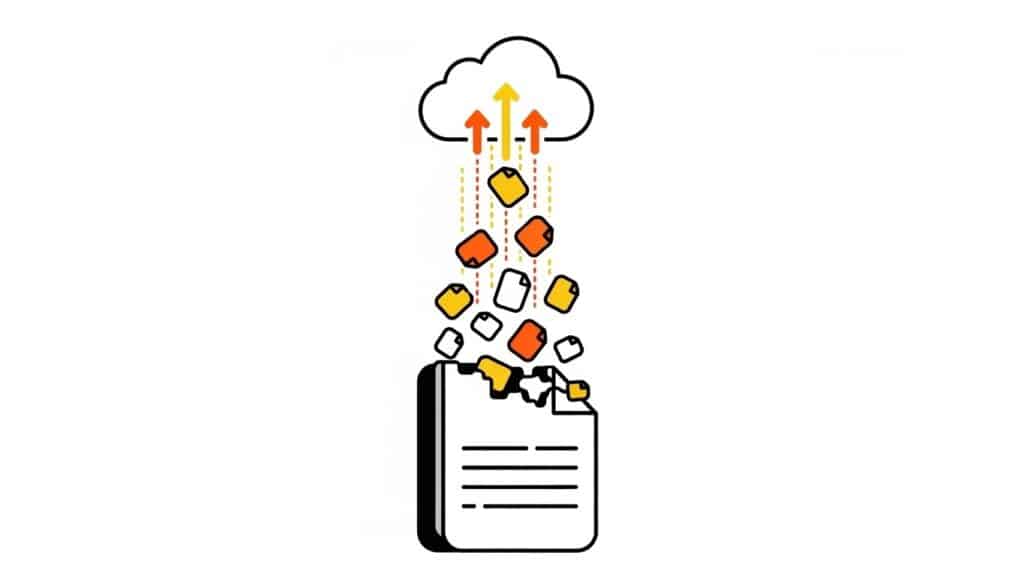
Chunked uploads solve this by breaking a file into smaller pieces and uploading them independently. Instead of sending one massive request, the system transfers multiple chunks, often in parallel. This approach makes fast upload files possible even under heavy load, improving both speed and reliability.
If one chunk fails, only that piece needs to be retried, not the entire file. Uploads can continue despite brief network interruptions. Parallel transfers reduce overall completion time. From the student’s perspective, uploads feel faster and far more dependable.
For university platforms, the outcome is clear. There will be only fewer failed submissions and less last-minute panic. Students get smoother experience during peak deadlines. Chunked uploads turn large media files from a liability into something your submission system can handle with confidence.
2. Automatic queue management prevents server overload
Finals week traffic is not random. It’s intense, predictable, and compressed into very short time windows. Thousands of students try to submit assignments at the same time, often minutes before the deadline. Without the right controls in place, even a well-built system can buckle under that load.
Automatic queue management is a key part of fast upload files technology. Instead of letting every upload hit your servers at once, the system places incoming requests into an organized queue. Files are processed in a controlled flow, rather than all at the same moment.
This approach smooths sudden spikes in demand. When upload traffic surges, the queue absorbs the pressure instead of passing it directly to backend services. Back-pressure mechanisms slow intake just enough to keep systems stable, preventing crashes and timeouts.
For students, the platform stays usable. Pages load. Uploads continue. There are no confusing errors or “submission portal down” messages at the worst possible time. For IT teams, high-traffic upload handling becomes manageable instead of chaotic.
The result is simple but critical. Better upload reliability, consistent performance, and stable assignment submission systems, even during the busiest hours of the semester.
3. Smart retry logic saves students on unreliable Wi-Fi
Student internet connections are rarely perfect. Dorm Wi-Fi slows down at night. Mobile hotspots drop signal. Power cuts and brief outages are common in shared housing. During finals week, these conditions make uploading large files even harder.
When upload interruptions happen, traditional systems often fail completely. A single network drop can cancel the entire transfer. Students are forced to restart the upload, sometimes multiple times. That’s stressful when deadlines are minutes away.
Fast upload files technology solves this with smart retry logic. Instead of failing outright, the system automatically retries interrupted transfers in the background. Students don’t have to reselect files or start over. Uploading large files becomes far more forgiving.
Network-aware logic also adapts to connection quality. If bandwidth drops, uploads slow down instead of breaking. When the connection stabilizes, transfers resume. This improves upload reliability across a wide range of real-world networks.
The impact is immediate. Fewer failed submissions. Less panic. Fewer last-minute support tickets for IT teams. Most importantly, edtech file uploads succeed more often, no matter where or how students are connected.
4. Progress persistence protects against browser crashes
Uploads don’t always fail because of bad networks. Sometimes the browser crashes. A tab gets refreshed. An operating system update forces a restart. During finals week, even a small interruption can undo minutes of progress when uploading large files.
Progress persistence is a critical part of fast upload files technology. Instead of losing everything when something goes wrong, the system remembers how much of the file has already been uploaded. When the student returns, the upload resumes from where it stopped.
This matters most for large file uploads. Video projects, design files, and portfolios no longer need to restart from zero. Students don’t waste time re-uploading the same data again and again. Upload completion becomes faster and far more predictable.
The result is a better student upload experience. Less deadline-related stress. Fewer desperate retries. More confidence that the platform will work when it matters. Over time, this reliability builds trust in assignment submission systems, even during the busiest weeks of the semester.
5. Real-time capacity monitoring prevents system-wide failures
End-of-semester upload surges don’t fail without warning. The signs usually appear early. Rising upload times. Growing queues. Increased retry rates. Without visibility, these signals are easy to miss until the platform goes down.
Real-time capacity monitoring gives universities that visibility. Upload metrics show where pressure is building across assignment submission systems. Teams can see how fast upload files are performing under load and identify stress points before they become outages.
With live data, platforms can act proactively. Traffic can be throttled gently instead of crashing all at once. Upload performance optimization becomes a controlled process, not a last-minute scramble. Alerts flag unusual patterns, such as sudden spikes in large file uploads or repeated failures from specific regions.
This data also supports smarter planning. Historical trends inform scaling decisions for future semesters. Infrastructure can be adjusted based on real usage, not guesswork. The result is higher upload reliability, fewer system-wide failures, and a more stable experience during every finals week.
How modern platforms approach peak upload demand
Modern education platforms are rethinking how file uploads work under pressure. Instead of relying on fragile, single-request transfers, they use fast upload files technology designed for scale. This includes chunked uploads, smart retries, resumable transfers, and real-time monitoring that keeps systems stable during deadline surges.
Platforms like Filestack are one example of this approach. By combining upload performance optimization with global infrastructure and built-in resilience, these systems help universities support large file uploads without disruption. The focus isn’t speed alone. It’s reliability, consistency, and a smoother student upload experience when traffic is at its highest.
See how fast upload files support modern education platforms
Discover how scalable upload infrastructure helps universities stay reliable during high-traffic submission periods.
👉 Explore Filestack’s edtech use cases
See how university platforms can use Filestack for student submissions in this GitHub repository.
FAQs
What are fast upload files, and why do universities need them?
Fast upload files refer to upload technologies designed to handle large file uploads quickly and reliably, especially during high-traffic periods like finals week. They help universities prevent failed submissions, reduce system overload, and improve the student upload experience.
How do fast upload files handle large assignment submissions?
Fast upload files use techniques like chunked uploads, resumable transfers, and smart retry logic. These features allow uploading large files in smaller parts, retry failed segments automatically, and resume uploads after interruptions.
Can fast upload files improve reliability during peak submission times?
Yes. Fast upload files technology improves upload reliability by managing traffic spikes, handling unreliable networks, and monitoring system capacity in real time. This helps assignment submission systems stay stable during deadline surges.


Shamal is a seasoned Software Consultant, Digital Marketing & SEO Strategist, and educator with extensive hands-on experience in the latest web technologies and development. He is also an accomplished blog orchestrator, author, and editor. Shamal holds an MBA from London Metropolitan University, a Graduate Diploma in IT from the British Computer Society, and a professional certification from the Australian Computer Society.
Read More →